Table of Contents
Introduction: Why WPC Wall Panels Are Dominating Modern Architecture
If you’ve been involved in any recent construction or interior design project, you’ve probably noticed one material popping up everywhere — WPC Wall Panels.
From luxury hotels to office buildings and residential developments, architects are increasingly specifying WPC panels instead of traditional materials like wood, MDF, or PVC. Why? Because modern projects demand durability, sustainability, cost-efficiency, and fast installation — and WPC delivers all of them.
In fact, global demand for WPC materials is growing rapidly due to eco-friendly construction trends and performance advantages.
In this article, we’ll break down exactly why architects prefer WPC Wall Panels, and how they can help you win more projects and reduce lifecycle costs.
1. Sustainability Is No Longer Optional — It’s Mandatory
Today’s architecture is no longer just about aesthetics — it’s about responsibility.
WPC Wall Panels are made from recycled wood fibers and plastic, reducing landfill waste and limiting deforestation.
Why This Matters for Projects
- Meets LEED / green building requirements
- Supports ESG goals for developers
- Reduces environmental impact without sacrificing design
Key Insight
Architects prefer materials that align with sustainability certifications — and WPC panels are a perfect fit.
2. Exceptional Durability for Long-Term Performance
Traditional materials come with problems:
- Wood → warping, cracking
- MDF → moisture damage
- Paint → frequent maintenance
WPC Wall Panels solve all of these.
Performance Advantages
- Waterproof & moisture-resistant
- Termite & insect-proof
- UV-resistant (no fading)
- Crack & warp resistant
This makes them ideal for:
- Commercial buildings
- Hotels & resorts
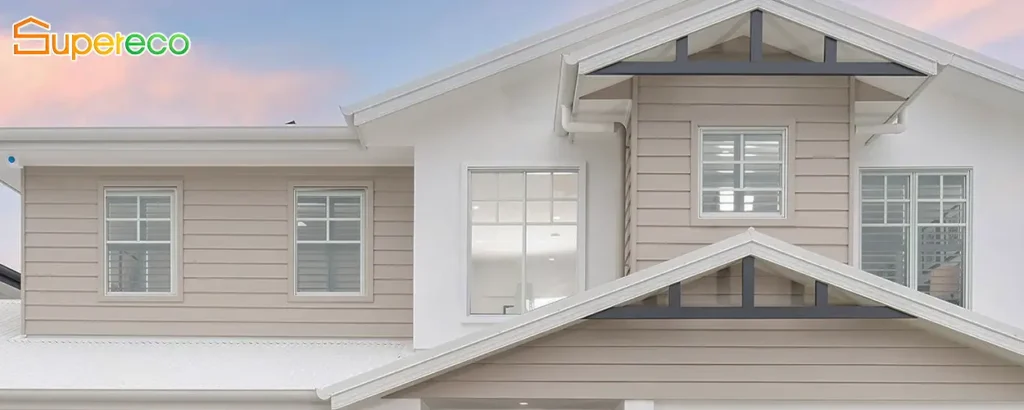
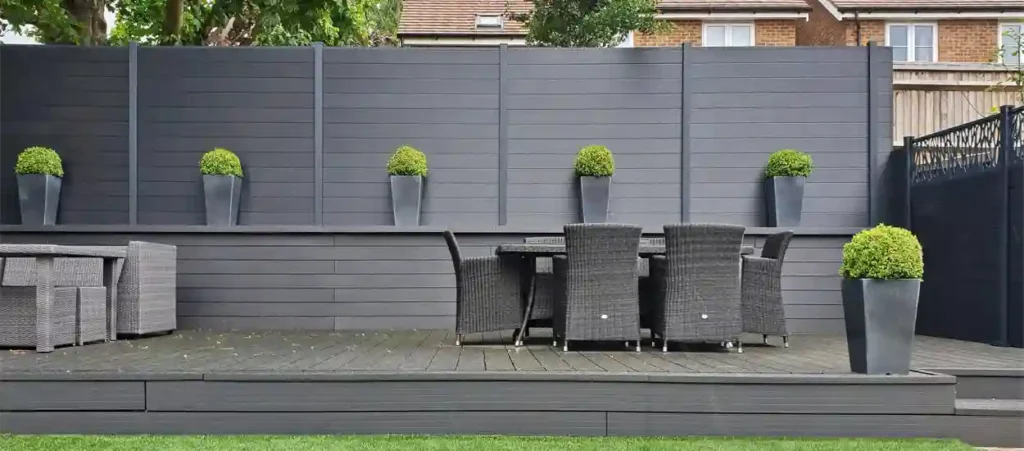
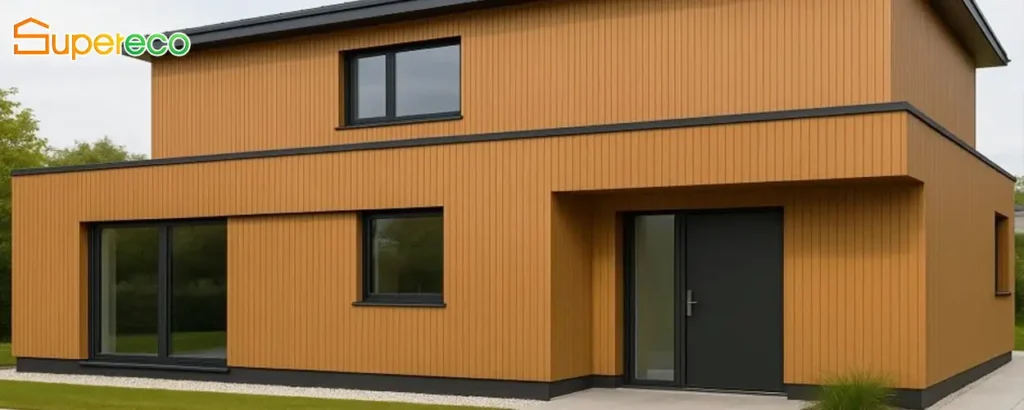
- Exterior facades
WPC panels can last 15–25 years, significantly reducing replacement costs.
3. Low Maintenance = Lower Lifecycle Costs
For project owners, maintenance cost is often more important than initial price.
WPC Wall Panels require:
- No painting
- No sealing
- No polishing
Just simple cleaning.
Why Developers Love This
- Reduces operational costs
- Saves labor expenses
- Ensures consistent appearance
Over time, WPC becomes more cost-effective than wood or stone.
4. Fast Installation = Faster Project Delivery
Time is money in construction.
WPC Wall Panels feature:
- Lightweight structure
- Clip-lock or tongue-and-groove systems
- Dry installation (no wet work)
Project Benefits
- 40–60% faster installation
- Reduced labor costs
- Shorter project timelines
This is why contractors and developers increasingly choose WPC for:
- Renovation projects
- Modular construction
- Commercial interiors
5. Design Flexibility That Architects Love
Modern architecture demands flexibility — and WPC delivers unmatched versatility.
Design Options
- Wood grain textures
- Stone & marble finishes
- 3D embossed patterns
- Matte & modern surfaces
Advanced technology allows WPC panels to closely mimic natural materials while offering better performance.
Trending in 2025–2026
- Earth tones & natural colors
- Fluted/slatted panels
- Minimalist geometric patterns
Architects love WPC because it allows them to balance aesthetics with functionality.
6. Ideal for Both Interior and Exterior Applications
One of the biggest advantages of WPC Wall Panels is versatility.
Application Scenarios
- Interior walls (living rooms, offices)
- Exterior cladding
- Bathrooms & kitchens
- Commercial spaces
Unlike traditional materials, WPC performs well in high humidity and outdoor environments.
7. Strong ROI for Developers & Investors
Let’s talk numbers — because ROI drives decisions.
Why WPC Wall Panels Improve ROI
- Lower maintenance costs
- Faster construction = earlier revenue
- Long lifespan
- Reduced replacement frequency
For large-scale projects, this can mean millions saved over time.
Real Market Trend: Why WPC Is Growing Globally<
The WPC market is booming due to:
- Urbanization
- Sustainable construction policies
- Demand for durable materials
Industry reports show steady global growth (6–9% CAGR) in WPC applications.
This isn’t a trend — it’s a long-term shift.
FAQs About WPC Wall Panels
1. What are WPC Wall Panels made of?
They are made from a combination of wood fibers and thermoplastics, creating a durable composite material.
2. Are WPC Wall Panels waterproof?
Yes, they are 100% waterproof, making them ideal for bathrooms and outdoor use.
3. How long do WPC Wall Panels last?
Typically 15–25 years, depending on quality and environment.
4. Are WPC panels eco-friendly?
Yes, they are made from recycled materials and support sustainable construction.
5. Are WPC panels suitable for commercial projects?
Absolutely — they are widely used in hotels, offices, malls, and public buildings.
6. Do WPC Wall Panels require maintenance?
Minimal maintenance — just occasional cleaning.
Conclusion: Why WPC Wall Panels Are the Future of Architecture
Architects prefer WPC Wall Panels because they solve real-world problems:
- Sustainability
- Durability
- Cost-efficiency
- Design flexibility
In today’s competitive construction market, choosing the right material is no longer optional — it’s strategic.
If you’re working on a project, WPC Wall Panels are no longer an alternative — they are becoming the standard.