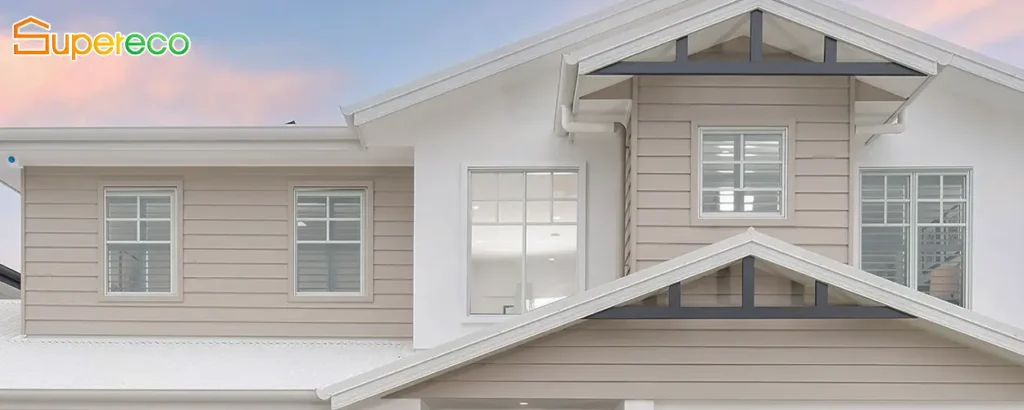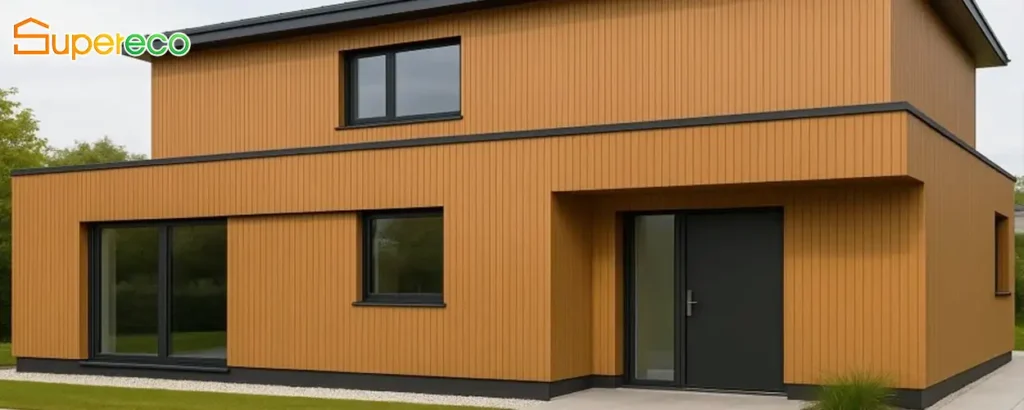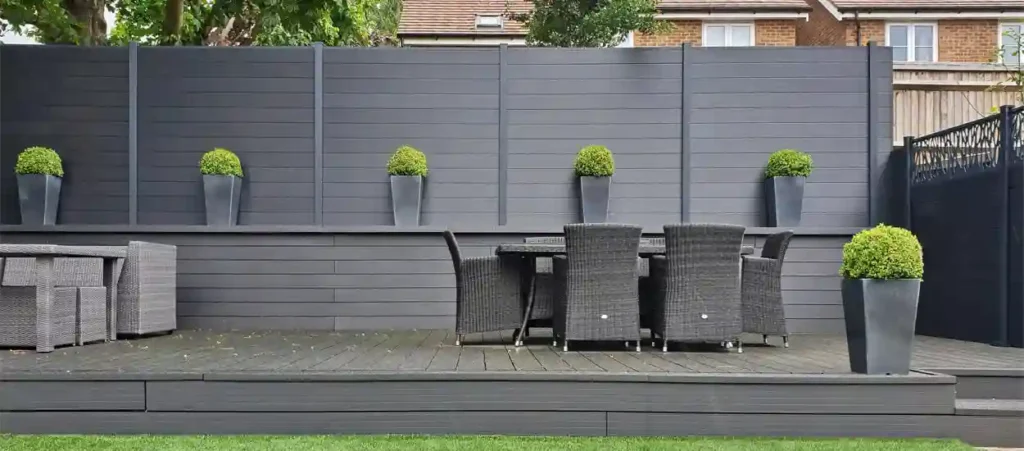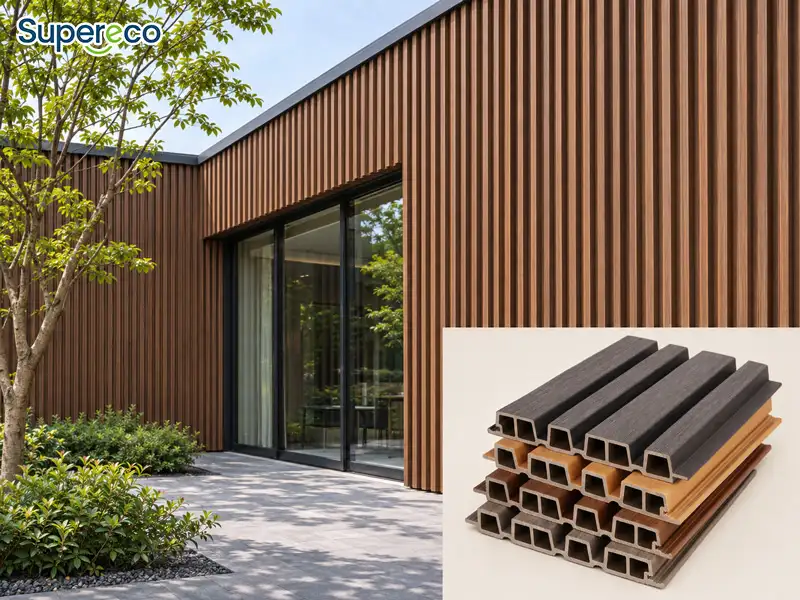
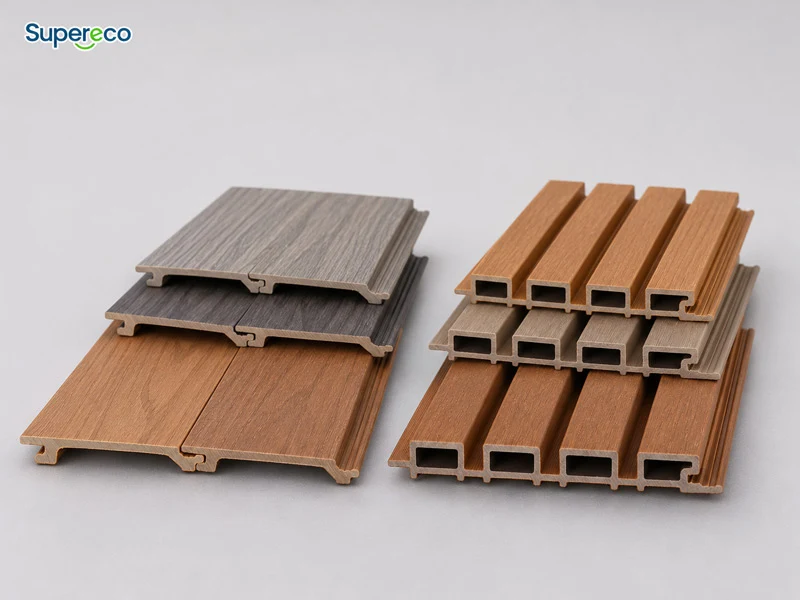
Flat and fluted profiles are two common options for outdoor WPC wall cladding. Flat panels emphasize board surfaces and wood-grain finishes, while fluted panels introduce raised ribs, recessed channels and stronger shadow lines.
For distributors, building material suppliers and contractors, the choice affects more than appearance. It also influences product selection, installation details and maintenance. This guide compares both profiles and explains how to match them to a market or project.
What Is the Difference Between Flat and Fluted WPC Wall Panels?
Flat WPC wall panels create a relatively even visible surface with defined board joints. Fluted WPC wall panels feature repeating raised ribs and recessed channels. Their main difference is profile geometry, rather than a particular material grade or weather-resistance rating.
WPC, or wood-plastic composite, combines wood-based material, thermoplastic polymers and additives. Extrusion forms this material into different sections. Both flat and fluted products can have wood-grain or brushed finishes and traditional or capped constructions.
|
The same wood-grain finish looks different on these profiles. Flat boards give the texture more visual prominence; deeper fluted sections emphasize light and shade.
Compare connected samples in similar colors under the same lighting. Supereco’s flat and fluted WPC wall cladding can be assessed by section and joint appearance before selecting colors and finishes.
Which Profile Suits Different Exterior Applications?
Large commercial facades: coordinate with the building’s divisions
Hotels, offices and retail buildings often combine cladding with windows, curtain walls and metal elements.
Where the facade already has closely spaced divisions, flat panels can provide a more continuous wood-look background. Fluted profiles are worth comparing where stronger linear definition is part of the design.
Deeper grooves are not automatically better for larger buildings. Assess texture and joints close up, then view the repeating pattern from the distance at which the facade will normally be seen.
Entrances and feature walls: define the focal area
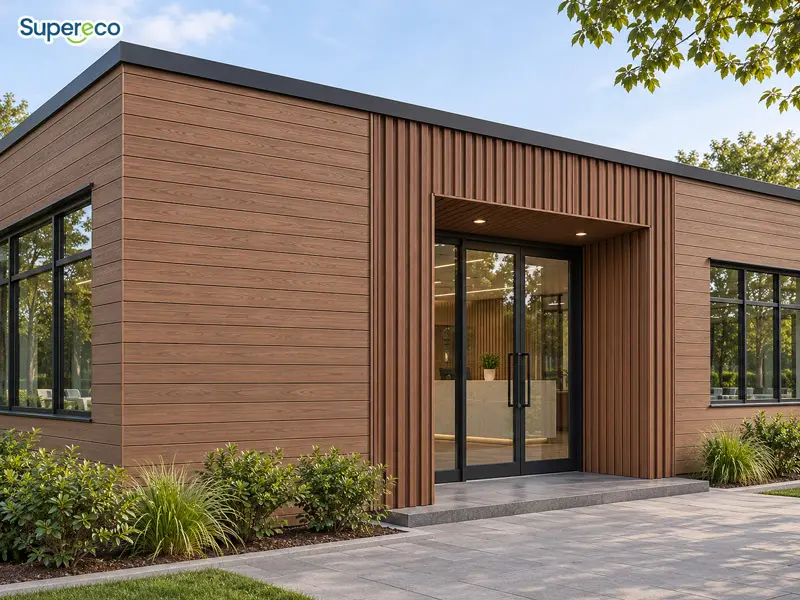
Fluted panels can add depth around commercial entrances, projecting sections and feature walls, with flat boards covering adjacent areas.
Plan three transition details early: whether the visible faces align, how connection edges are concealed, and how corners and openings are finished. Matching colors do not mean two profiles can connect directly.
Courtyard and boundary walls: consider cleaning and drainage
Walls near planting, roads or irrigation can collect dust, mud and organic debris. Check cleaning access for either profile, including the recessed channels of fluted panels.
Plan top edges, bases and corners alongside the panel layout rather than adding drainage and trims after installation.
How Do Materials, Finishes and Accessories Affect Selection?
Once the profile style is established, compare surface construction, color and installation components as a complete combination.
Traditional and capped WPC
Traditional WPC exposes the composite surface, while capped products incorporate an outer protective layer. Compare the selected model’s cap coverage, finish and weathering information against the application.
For exposed facades, surface protection, cut ends and connection details need attention together. A panel’s moisture resistance does not replace the wall assembly’s drainage and weatherproofing design.
Color and texture
The same nominal color can look different with a wood-grain or brushed finish. Record the color, surface and profile together when approving samples.
Compare gray panels with the project’s glass, metal or stone. Brown wood-look finishes can introduce warmth. Physical samples viewed in daylight provide a more useful approval reference than screen images alone.
Dimensions and accessories
Panel length affects joint positions and cutting. Connection geometry affects assembly, while trims determine the finish around corners, openings and exposed ends.
Calculate quantities using the selected profile’s effective cover width. Compare quotations for the same panel area and accessory scope rather than relying on the price per board.
Supereco Manufacturing & Customization Support
Supereco has manufactured WPC products since 2006. Based in Linyi, China, the company has more than 120 production lines and has served international markets since 2008, reaching over 70 countries and regions.
Its exterior wall panel range includes flat and fluted profiles in traditional and capped options, supporting standard orders, bulk supply and OEM/ODM customization.
From existing profiles to custom ranges
Existing models provide a starting point for comparing sections, colors and finishes. Custom requirements can be developed around drawings or reference samples, including profiles, dimensions, colors and surface combinations.
This supports distributor product ranges and project-specific designs. Branding and packaging customization are also available for different sales channels.
Production checks against approved specifications
The factory checks materials, profile dimensions and surface quality. Its in-house laboratory evaluates moisture resistance, bending performance and weathering behavior.
Linking the model, color, finish and approved sample gives production and inspection a defined reference. It also helps establish specifications for repeat orders.
Panels and matching accessories
Supereco supplies matching installation accessories, with export packaging and product identification to support delivery and stock handling.
Whether selecting an existing model or developing a custom product, reference images, section drawings, target colors and estimated quantities help define the proposal, samples and factory quotation.
Frequently Asked Questions
Can flat and fluted panels be used on the same project?
Yes. Confirm profile depths, connections and transition trims first, then use connected samples to assess the colors and finishes together.
Are fluted panels always more expensive?
No. Price also depends on section design, construction, material usage, finish, customization and quantity. Compare equal coverage areas with the same accessory scope.
Can exterior panels be installed horizontally or vertically?
Orientation must suit the specific profile and fixing system. Check supports, connections, movement allowances, drainage and trims before confirming the layout.
How should samples be approved for an initial order?
Shortlist the profiles, confirm colors and finishes, and examine several connected samples. Retain an identified approval sample as the order reference.
What if a project has fire or wind-load requirements?
Compare the requirements with evidence for the proposed product and installation assembly. A general material description or factory certificate does not establish suitability for a specific application.
Selecting a distributor range or specifying a commercial facade requires the profile, finish and installation components to work together. Supereco offers outdoor WPC wall panels and customization options to match market requirements or project drawings.
Submit your preferred profile, color, length and estimated quantity to discuss samples and factory pricing.