Table of Contents
What Are WPC Wall Panels and Composite Wall Panels?
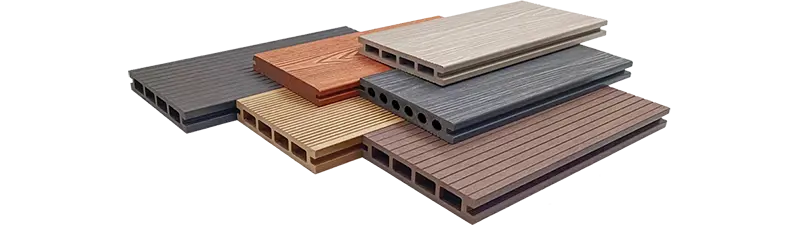
WPC Wall Panel solutions are quickly becoming a preferred material in outdoor construction across developed markets. These panels—also known as composite wall panels—combine wood fibers with thermoplastics, creating a material that delivers both natural aesthetics and industrial-grade performance.
Material Composition and Structure
A typical WPC Wall Panel is made from:
- Recycled wood fibers
- Polyethylene (PE), PVC, or HDPE plastics
- Additives for UV resistance and durability
This hybrid structure ensures resistance to moisture, insects, and environmental stress—something traditional wood simply cannot match.
Differences Between Traditional Cladding and Composite Panels
| Feature | Traditional Wood | Composite Wall Panels |
|---|---|---|
| Lifespan | 5–10 years | 15–25+ years |
| Maintenance | High | Low |
| Weather Resistance | Poor | Excellent |
| Sustainability | Limited | High |
Why Outdoor Design Efficiency Matters in Modern Construction
Outdoor design efficiency is no longer just a preference—it’s a requirement for developers and contractors working on tight budgets and deadlines.
Cost Pressure in Large-Scale Projects
Developers in Europe and North America face rising labor costs and stricter regulations. Choosing materials like WPC Wall Panel helps reduce total project costs by minimizing maintenance and replacement cycles.
Labor Efficiency and Timeline Constraints
Fast installation is critical. Modern composite wall panels often feature modular or interlocking systems, reducing installation time significantly.
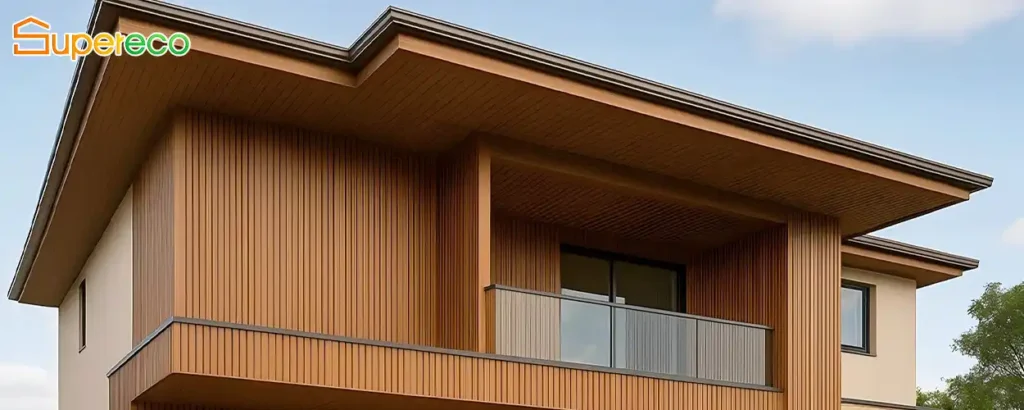
Key Benefits of WPC Wall Panel for Outdoor Efficiency
Durability in Extreme Weather Conditions
Outdoor composite wall panels are engineered to withstand:
- UV exposure
- Heavy rain and humidity
- Temperature extremes (-45°C to 65°C)
This makes them ideal for coastal, urban, and high-traffic environments.
Low Maintenance Requirements
Unlike wood, WPC Wall Panel systems:
- Do not require painting or sealing
- Resist mold and termites
- Maintain color and structure over time
This dramatically reduces operational costs.
Fast Installation Systems
Many suppliers offer:
- Click-lock or tongue-and-groove systems
- Pre-finished panels
- Lightweight designs
Result: Faster project completion and lower labor costs.
Lightweight Yet Strong Structure
WPC panels can be up to 40% lighter than traditional materials, improving logistics and installation efficiency.
Sustainability and Green Building Compliance
Recycled Materials and Carbon Reduction
WPC Wall Panel products are typically made from recycled plastic and wood waste, reducing landfill impact and supporting circular economy goals.
LEED and ESG Considerations
In developed markets:
- Green certifications (LEED) are essential
- ESG compliance influences procurement decisions
WPC materials align well with these requirements.
Design Flexibility for Architects and Developers
Custom Colors and Textures
Composite wall panels offer:
- Wood grain finishes
- Matte and embossed textures
- Custom colors for branding
3D and Co-Extrusion Technology
Advanced manufacturing enables:
- Realistic wood textures
- UV-resistant outer layers
- Scratch and stain protection
These innovations enhance both aesthetics and performance.
Cost Analysis: WPC vs Traditional Materials
Initial Investment vs Lifecycle Cost
While WPC panels may cost 20–30% more upfront, they significantly reduce long-term expenses.
Maintenance Savings Over Time
| Cost Factor | Traditional Materials | WPC Wall Panel |
|---|---|---|
| Maintenance | High | Minimal |
| Replacement | Frequent | Rare |
| Total Cost (10 years) | Higher | Lower |
Application Scenarios for Outdoor Projects
Commercial Buildings
- Office facades
- Retail centers
Hospitality & Public Infrastructure
- Hotels and resorts
- Airports and public spaces
Residential Developments
- Villas and apartments
- Balconies and exterior walls
How to Choose the Right WPC Wall Panel Supplier
Quality Standards
Look for:
- UV resistance certification
- Fire ratings (B1 or higher)
- ISO manufacturing standards
OEM/ODM Capabilities
Top suppliers provide:
- Custom branding
- Project-based customization
- Bulk pricing support
Common Mistakes B2B Buyers Should Avoid
- Choosing based on price only
- Ignoring UV resistance quality
- Not verifying supplier certifications
- Overlooking installation systems
FAQs
1. Are WPC Wall Panels suitable for outdoor use?
Yes, they are specifically designed for outdoor environments with high durability and weather resistance.
2. How long do composite wall panels last?
Typically 15–25 years depending on quality and installation.
3. Are WPC panels eco-friendly?
Yes, they are made from recycled materials and support sustainable construction.
4. Do WPC Wall Panels require maintenance?
Very little—just occasional cleaning.
5. Can WPC panels replace traditional wood?
Absolutely. They outperform wood in durability, maintenance, and lifespan.
6. Are they cost-effective for large projects?
Yes, especially when considering lifecycle cost savings.
Final Thoughts
WPC Wall Panel and composite wall panels are transforming outdoor construction by delivering unmatched efficiency, durability, and sustainability. For developers, wholesalers, and contractors in developed markets, these materials offer a clear competitive advantage—lower costs, faster installation, and long-term reliability.