Table of Contents
Why WPC Cladding Is Gaining Momentum in Commercial Construction
In today’s construction market, WPC Cladding is no longer viewed as an alternative material — it is becoming a standard solution for modern exterior design. Across commercial buildings, residential complexes, hotels, and public facilities, project owners are actively looking for cladding systems that balance appearance, durability, and long-term cost control.
This shift is driven by several factors. Rising labor costs, tighter project timelines, and stricter sustainability requirements have made traditional materials like solid wood or stone less practical for large-scale use. WPC cladding, made from a blend of wood fiber and polymer, responds directly to these challenges.
For B2B buyers managing multiple projects or large square-meter requirements, material reliability and supply consistency matter just as much as aesthetics. That is where WPC cladding shows its real value.
What Exactly Is WPC Cladding?
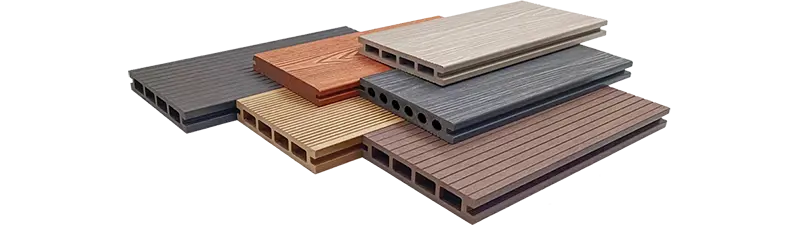
WPC cladding, short for Wood Plastic Composite cladding, is an exterior wall panel designed to replicate the look of natural wood while delivering superior performance in outdoor environments.
Unlike solid timber, WPC cladding does not absorb moisture easily, does not rot, and does not require regular painting or sealing. The material is engineered to handle UV exposure, temperature changes, and humidity — conditions that often shorten the lifespan of traditional cladding materials.
For project developers and contractors, this means fewer callbacks, lower maintenance costs, and a more predictable service life.

Key Benefits of WPC Cladding for B2B Projects
1. Long-Term Cost Efficiency
While the upfront price of WPC cladding may be comparable to mid-range exterior materials, the real savings appear over time. No repainting, no anti-termite treatment, and minimal cleaning requirements translate into lower lifecycle costs, especially for commercial properties.
2. Consistent Quality for Large Orders
One of the biggest pain points in project sourcing is color variation and inconsistent material quality. WPC cladding is factory-produced under controlled conditions, ensuring uniform color, size, and performance across bulk orders.
3. Fast Installation and Reduced Labor
Most WPC cladding systems are designed with easy-install profiles, reducing on-site labor time. This is a significant advantage for projects working under tight schedules or limited skilled labor availability.
4. Sustainability and Compliance
With recycled content and long service life, WPC cladding supports green building goals. Many projects today require materials that align with sustainability standards, and WPC cladding fits well within modern environmental frameworks.
Common Applications of WPC Cladding
WPC cladding is widely used across different project types, including:
- Commercial building facades
- Residential apartment exteriors
- Hotels and resorts
- Office buildings and business parks
- Public infrastructure and educational facilities
Its versatility allows architects to use it for full facades or as decorative accent walls, helping buildings achieve a modern, clean look without complex detailing.
What B2B Buyers Should Look for in a WPC Cladding Supplier
Choosing the right supplier is just as important as selecting the material itself. For B2B and project buyers, consider the following:
- Factory capability and production capacity
- Quality control standards and testing reports
- Ability to handle bulk and repeat orders
- Custom color, length, or profile options
- Export experience and logistics support
A reliable WPC cladding supplier should act as a long-term partner, not just a one-time vendor.
WPC Cladding vs Traditional Exterior Materials
Compared with solid wood, WPC cladding eliminates issues like cracking, warping, and insect damage. Against metal or stone cladding, it offers a warmer appearance and simpler installation, often at a lower total project cost.
For B2B users balancing design intent with commercial realities, WPC cladding delivers a practical middle ground — visually appealing, technically reliable, and financially predictable.
Final Thoughts: Is WPC Cladding Right for Your Next Project?
As construction trends continue to favor low-maintenance, sustainable, and scalable solutions, WPC Cladding stands out as a material that meets both design and operational needs.
For developers, contractors, and distributors, it offers a way to reduce long-term risk while delivering modern aesthetics that clients expect. When sourced from a capable supplier and specified correctly, WPC cladding can significantly improve project efficiency and building performance.
If your upcoming projects require a reliable exterior solution that performs well across climates and project scales, WPC cladding is worth serious consideration.